Causes and Political Triggers
Revolutionary decrees on clergy oath, conscription and centralising governance alienated rural communities with deep Catholic practice. Local nobles and clergy initially led organisation; peasants supplied manpower knowing bocage terrain.
Parisian radicalisation and fear of foreign invasion escalated rhetoric — labelling insurgents brigands or counter-revolutionaries justified severe reprisals.
Scholars and practitioners continue to refine how this subject is presented to contemporary audiences — balancing documentary rigour with the sensory expectations of modern visitors.
Archival research, oral histories and field observation together deepen understanding — material that overview articles alone cannot convey without oversimplifying regional nuance.
For travellers, connecting this theme to adjacent topics on this site builds a more coherent itinerary than treating each landmark or technique as an isolated photo opportunity.
Municipal institutions, producer associations and independent writers publish seasonal updates that subtly shift emphasis — worth checking regional calendars before firm travel plans.
Photography, sketching and note-taking during visits help retain spatial relationships that maps flatten — especially when navigating dense historic centres or multi-venue tasting routes.
Evening hours transform the same streets and river facades that appear subdued by day — planning duplicate passes at different times often rewards patient visitors.
Guidebooks age quickly when construction, restoration or chef changes alter access — cross-check official sites within a month of departure for closures and ticketing rules.
Local residents often hold expertise not captured in promotional copy — polite questions at markets, ticket desks and hotel concierges can surface practical detail formal guides omit.
Historians debate 'genocide' characterisation — scholarly consensus emphasises civil war brutality without equating fully to twentieth-century genocidal frameworks.
Military Campaigns and Tactics
Insurgent 'Catholic and Royal Army' won early engagements using hedgerow ambushes; republican columns adopted scorched-earth policies, destroying villages and crops to cut support.
Leaders such as Cathelineau, Bonchamps and Charette became martyrs in regional memory; republican generals Turreau and Kléber implemented devastating pacification.
Comparative reading across regions prevents single-destination myths from hardening into cliché — contrasts clarify what is distinctive versus what is shared Mediterranean, Atlantic or European practice.
Audio guides, museum apps and subtitled documentary clips supplement on-site learning when language barriers or restoration scaffolding limit direct access to interiors.
Scholars and practitioners continue to refine how this subject is presented to contemporary audiences — balancing documentary rigour with the sensory expectations of modern visitors.
Archival research, oral histories and field observation together deepen understanding — material that overview articles alone cannot convey without oversimplifying regional nuance.
For travellers, connecting this theme to adjacent topics on this site builds a more coherent itinerary than treating each landmark or technique as an isolated photo opportunity.
Municipal institutions, producer associations and independent writers publish seasonal updates that subtly shift emphasis — worth checking regional calendars before firm travel plans.
Photography, sketching and note-taking during visits help retain spatial relationships that maps flatten — especially when navigating dense historic centres or multi-venue tasting routes.
Evening hours transform the same streets and river facades that appear subdued by day — planning duplicate passes at different times often rewards patient visitors.
Atrocities and Civilian Suffering
Mass killings of prisoners and civilians occurred on both sides — drowning campaigns and collective reprisals documented in departmental archives. Population loss devastated communities for generations.
Art and literature later romanticised peasant fidelity and suffering — influencing regional identity politics.
Guidebooks age quickly when construction, restoration or chef changes alter access — cross-check official sites within a month of departure for closures and ticketing rules.
Local residents often hold expertise not captured in promotional copy — polite questions at markets, ticket desks and hotel concierges can surface practical detail formal guides omit.
Comparative reading across regions prevents single-destination myths from hardening into cliché — contrasts clarify what is distinctive versus what is shared Mediterranean, Atlantic or European practice.
Audio guides, museum apps and subtitled documentary clips supplement on-site learning when language barriers or restoration scaffolding limit direct access to interiors.
Scholars and practitioners continue to refine how this subject is presented to contemporary audiences — balancing documentary rigour with the sensory expectations of modern visitors.
Archival research, oral histories and field observation together deepen understanding — material that overview articles alone cannot convey without oversimplifying regional nuance.
For travellers, connecting this theme to adjacent topics on this site builds a more coherent itinerary than treating each landmark or technique as an isolated photo opportunity.
Municipal institutions, producer associations and independent writers publish seasonal updates that subtly shift emphasis — worth checking regional calendars before firm travel plans.
Aftermath and Amnesty Waves
Fighting flickered until 1796; later Napoleonic amnesties and royal restorations reshaped public commemoration. Nineteenth-century monuments celebrated both republican unity and Vendée martyrdom in different communities.
Twentieth-century political movements invoked Vendée symbols — complicating academic neutrality in popular presentations.
Photography, sketching and note-taking during visits help retain spatial relationships that maps flatten — especially when navigating dense historic centres or multi-venue tasting routes.
Evening hours transform the same streets and river facades that appear subdued by day — planning duplicate passes at different times often rewards patient visitors.
Guidebooks age quickly when construction, restoration or chef changes alter access — cross-check official sites within a month of departure for closures and ticketing rules.
Local residents often hold expertise not captured in promotional copy — polite questions at markets, ticket desks and hotel concierges can surface practical detail formal guides omit.
Comparative reading across regions prevents single-destination myths from hardening into cliché — contrasts clarify what is distinctive versus what is shared Mediterranean, Atlantic or European practice.
Audio guides, museum apps and subtitled documentary clips supplement on-site learning when language barriers or restoration scaffolding limit direct access to interiors.
Scholars and practitioners continue to refine how this subject is presented to contemporary audiences — balancing documentary rigour with the sensory expectations of modern visitors.
Archival research, oral histories and field observation together deepen understanding — material that overview articles alone cannot convey without oversimplifying regional nuance.
Women's Roles
Women supplied logistics, intelligence and refuge — often omitted in martial monuments but documented in local genealogical studies.
Representation in Heritage Performance
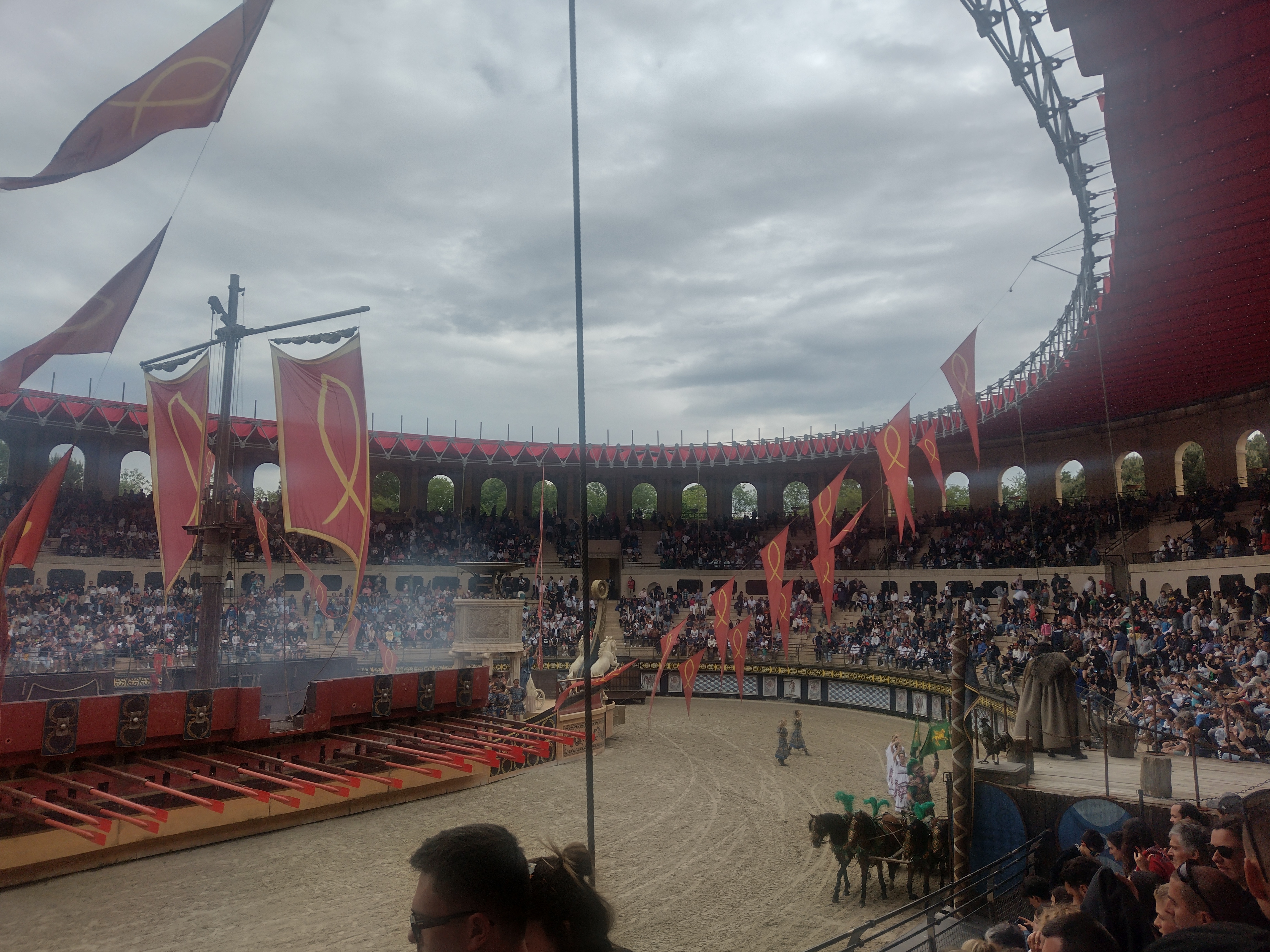
Parks dramatise revolutionary episodes with emotional choreography — prioritising narrative clarity over exhaustive faction detail. Educators recommend preparatory reading for older students.
Balanced interpretation acknowledges republican ideals alongside human costs of pacification.
For travellers, connecting this theme to adjacent topics on this site builds a more coherent itinerary than treating each landmark or technique as an isolated photo opportunity.
Municipal institutions, producer associations and independent writers publish seasonal updates that subtly shift emphasis — worth checking regional calendars before firm travel plans.
Photography, sketching and note-taking during visits help retain spatial relationships that maps flatten — especially when navigating dense historic centres or multi-venue tasting routes.
Evening hours transform the same streets and river facades that appear subdued by day — planning duplicate passes at different times often rewards patient visitors.
Guidebooks age quickly when construction, restoration or chef changes alter access — cross-check official sites within a month of departure for closures and ticketing rules.
Local residents often hold expertise not captured in promotional copy — polite questions at markets, ticket desks and hotel concierges can surface practical detail formal guides omit.
Comparative reading across regions prevents single-destination myths from hardening into cliché — contrasts clarify what is distinctive versus what is shared Mediterranean, Atlantic or European practice.
Audio guides, museum apps and subtitled documentary clips supplement on-site learning when language barriers or restoration scaffolding limit direct access to interiors.
Research Resources for Visitors
Departmental archives, Memorial de la Vendée museum and university presses offer nuanced sources. Compare primary letters with secondary syntheses before forming judgments.
Guided battlefield tours (where marked) contextualise terrain advantages in hedgerow country.
Scholars and practitioners continue to refine how this subject is presented to contemporary audiences — balancing documentary rigour with the sensory expectations of modern visitors.
Archival research, oral histories and field observation together deepen understanding — material that overview articles alone cannot convey without oversimplifying regional nuance.
For travellers, connecting this theme to adjacent topics on this site builds a more coherent itinerary than treating each landmark or technique as an isolated photo opportunity.
Municipal institutions, producer associations and independent writers publish seasonal updates that subtly shift emphasis — worth checking regional calendars before firm travel plans.
Photography, sketching and note-taking during visits help retain spatial relationships that maps flatten — especially when navigating dense historic centres or multi-venue tasting routes.
Evening hours transform the same streets and river facades that appear subdued by day — planning duplicate passes at different times often rewards patient visitors.
Guidebooks age quickly when construction, restoration or chef changes alter access — cross-check official sites within a month of departure for closures and ticketing rules.
Local residents often hold expertise not captured in promotional copy — polite questions at markets, ticket desks and hotel concierges can surface practical detail formal guides omit.
- Read multiple scholarly perspectives — not only regional martyrology
- Visit memorial museums with time for archival exhibits
- Discuss sensitive topics respectfully in mixed political company